
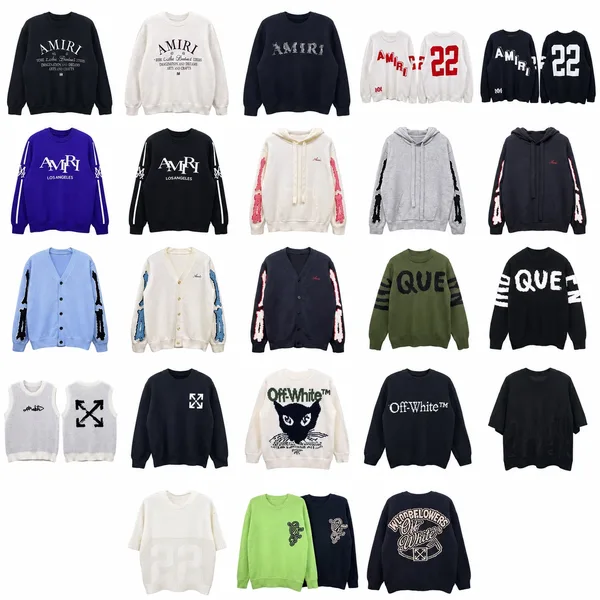
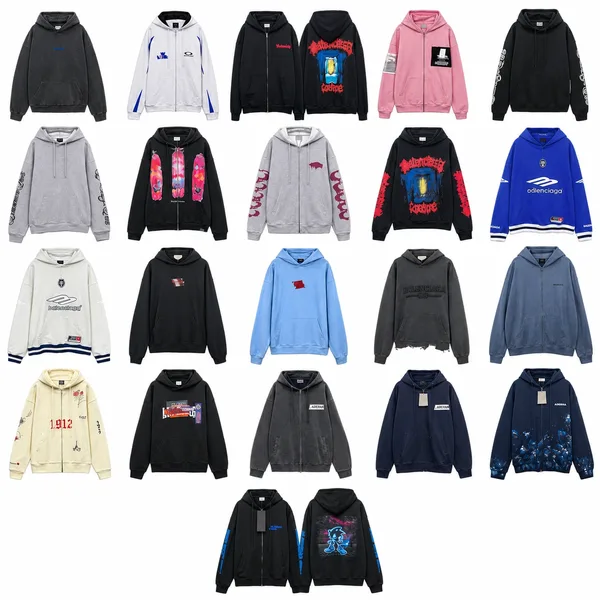
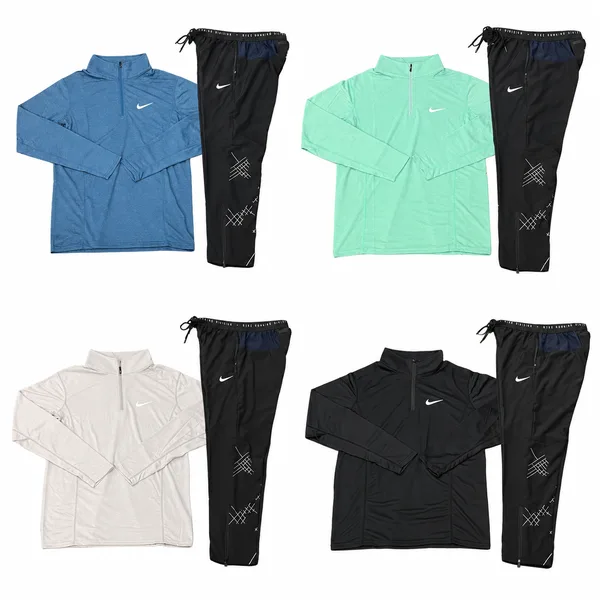
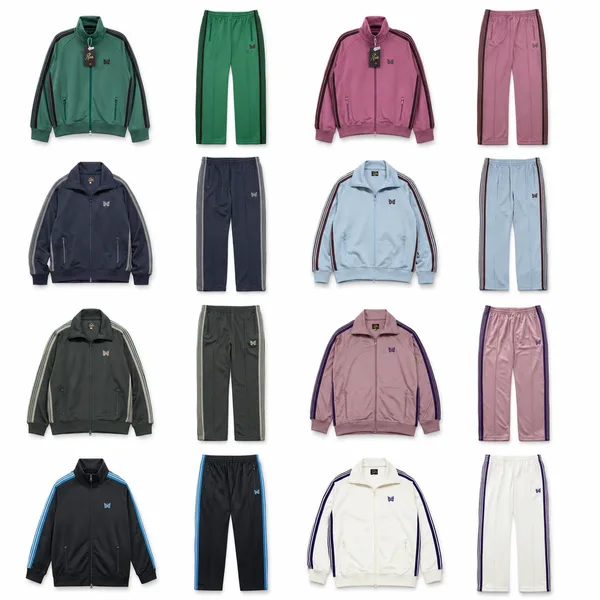
A HipoBuy spreadsheet is useful when it helps you move from a saved picture to a specific purchase decision. That means more than finding an attractive row: you need to know which product the link opens, which option you want, and what would make you reject it. Start with a short list of things you would genuinely wear or use. A longer list is not automatically a better one.
This guide separates finding an item from checking it. Use the best HipoBuy spreadsheet guide to compare collections, spreadsheet links guide for destination checks, and shopping walkthrough when you are ready to move beyond browsing. For trust and purchase risks, read the spreadsheet review alongside the safety guide.
Give each saved item a job
New to the process? Read what HipoBuy does and how a spreadsheet differs before treating a saved find as an order.
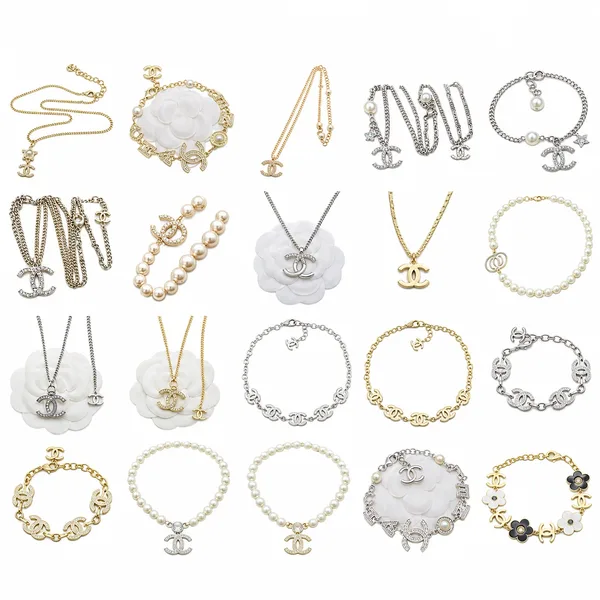
For everyday carry, the bag and accessories guide separates usable space and wearing requirements from decorative appeal.
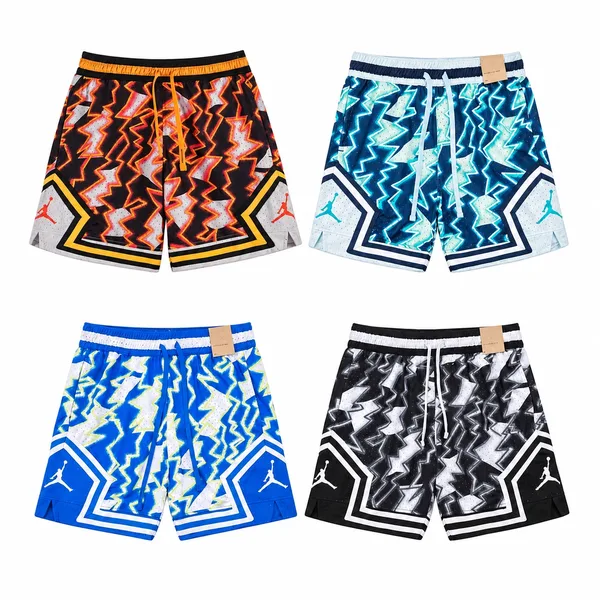
For a graphic top, the HipoBuy jersey guide separates front-and-back design choices from fit and intended use.
Before opening more rows, decide what the item needs to do. A graphic T-shirt for occasional wear, a replacement for an everyday basic and a gift are three different shopping decisions. The first may depend on the print; the second on measurements and repeat wear; the third on timing and the recipient's preferences.
Write down your essential requirement and your rejection condition. For example: “A relaxed T-shirt that fits under my jacket; reject it if the chest measurement is smaller than my comfortable reference shirt.” This is a shopping example, not a measurement for any particular listing.
That small decision helps when several rows use the same photograph. Instead of saving all of them, ask which listing provides enough information to test your requirement. If none does, keep looking rather than choosing the cheapest unexplained option.
Keep a shortlist, not a second catalogue
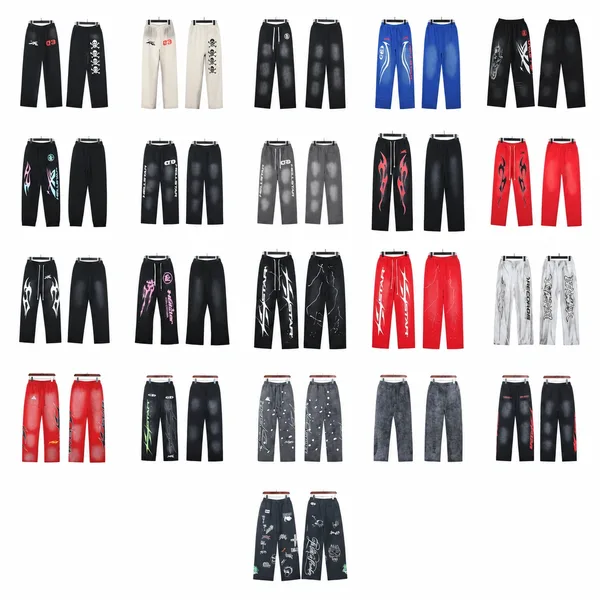
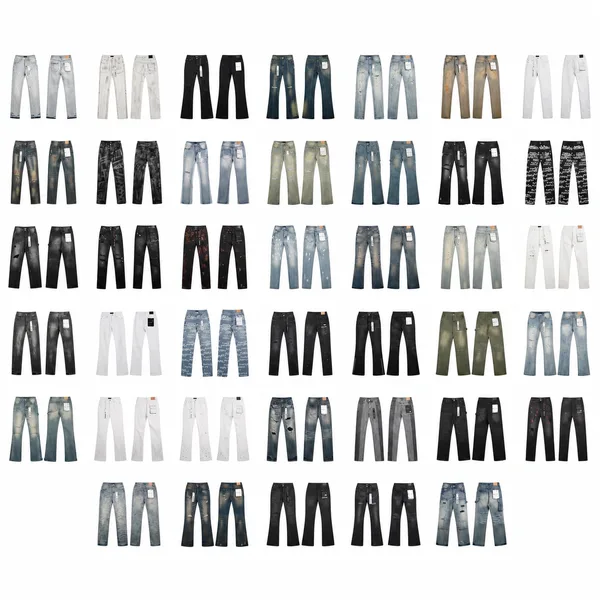
For trousers, the HipoBuy jeans guide separates cut, length and finish so similar-looking finds remain distinguishable.
Use a few columns that answer different questions:
| Shortlist field | What to put in it | Why it matters |
|---|---|---|
| Intended use | The outfit, occasion or practical need | Stops an appealing photo replacing your original purpose |
| Product and option | Item identity plus the colour, size or version | Keeps similar-looking choices separate |
| Fit or function requirement | A relevant measurement or specification | Gives you something concrete to compare |
| Unresolved question | One question that could change the decision | Makes the next check useful |
| Decision | Keep, compare further or reject | Prevents every saved row becoming a planned purchase |
Keep product measurements separate from packed-parcel measurements. A shirt's chest width can help with fit; a parcel's dimensions concern transport. Neither number answers the other's question.
Open the product, then match the option
A spreadsheet label is a starting point. After following it, compare the destination's product identity with the saved row. Then select the intended option and check again: a different colour, print placement or size may change the choice even when the main photograph looks familiar.
For a concrete browsing example, view the white Carhartt WIP pocket T-shirt. Use the product view to identify the item before deciding whether its available information answers your fit and design questions. A recognisable title does not provide the measurements of your selected size, and this example is not a personal wear test.
If the destination changes to another product, do not rely on the old row's description. Reassess the new item as a separate choice. The link-checking guide explains how to keep a saved collection from becoming a list of mismatched destinations.
Know what a photograph can settle
An image can help you examine a visible feature, such as a graphic's position or an obvious mark. It does not by itself establish fabric feel, long-term wear or the contents of a future delivery. A photograph also needs to belong to the item and option you are considering before it can help with that decision.
When comparing QC photographs, choose the question first. “Can I see the sleeve seam?” is actionable; “Does this look good?” may leave an important area unexamined. Where a measurement matters, check how it was taken as well as the number. An angled tape or a different measurement method can make a comparison misleading. Continue with the QC photo guide for a closer inspection workflow.
Compare costs at the same stage
Do not compare one product's item price with another product's estimated delivered total. Keep the item amount separate from any transport, payment, conversion or destination charges shown for your own transaction. Treat an estimate as an estimate until the relevant service and parcel details are established.
If your spending limit is firm, decide how much uncertainty you can tolerate before adding more items. A low item price is not enough to settle that decision. The shipping guide covers the information to collect before comparing delivery options.
Using HipoBuy sheets again after a break
Keep the date you checked a candidate beside the information you checked. Revisiting a destination today does not automatically update an old measurement, price or photograph. Record a changed detail without making unrelated older observations look new.
When returning to a HipoBuy spreadsheet in 2026, start with the items you still intend to buy. Reopen each destination, confirm the option and review the question that previously held up your decision. A saved row can remain useful as a reference even if it is no longer ready for purchase.
If a replacement is needed, create a separate candidate rather than silently overwriting the original identity. That keeps any measurements or inspection images attached to the item they actually describe. Keep product dimensions and parcel estimates in separate fields, and only transfer information when it genuinely applies to the replacement.
For a collection described as updated, ask what changed: the product destinations, options, accompanying notes or just the page presentation. You do not need to recheck an entire catalogue to shortlist a few pieces, but the pieces you rely on need their own current checks. “New for 2026” is not a substitute for that work.
Choose the next guide by the question you still have
- Which collection should I use? Compare selection criteria in Best HipoBuy Spreadsheet.
- Does this row still lead to the right item? Follow HipoBuy Spreadsheet Links.
- What happens after finding something? Read the HipoBuy Spreadsheet Guide.
- What should I believe in a recommendation? Use the HipoBuy Spreadsheet Review.
- What could put my account or purchase at risk? Start with Is a HipoBuy Spreadsheet Safe?.
Frequently asked questions
Does a spreadsheet with more rows give me more useful choices?
Only if the additional rows are relevant and usable. Ten clearly distinguishable options may be easier to compare than hundreds of duplicates. Check a few products you actually want before treating a collection's size as a benefit.
Does a year in the title mean every product link was updated?
No. A year label alone does not show when an individual row was checked. Open the relevant destination and inspect its current identity and options instead of assuming the whole collection changed together.
Can I use a HipoBuy watch spreadsheet in the same way?
Use the same identity and option checks, but change the purchase questions. For a watch, case dimensions, strap compatibility and the stated functions may matter more than a clothing size. Do not infer water resistance, movement specifications or authenticity from a photograph. Look for support for the specific claim before depending on it.
Should I save an item when an important detail is missing?
You can keep it as a candidate without treating it as ready to order. Record the unresolved question. If the missing information could change fit, function or your spending decision, resolve that question before moving it into your purchase list.
Browse all sections
- spreadsheet-links
- guide
- is-it-safe
- review
- best-spreadsheet
- qc-photos
- shipping
- size-guide
- coupons
- warehouse
- tracking
- styles / pants-shorts
- styles / jersey
- styles / accessories
- shopping-basics
- shipping-estimates
- fr
- fr / liens
- fr / guide
- fr / photos-qc
- fr / meilleure-feuille
- fr / securite
- fr / avis
- fr / livraison
- returns-refunds
- payments
- link-checking
- fr / france
- de
- de / beste-tabelle
- de / links
- de / anleitung
- de / sicher
- de / bewertung
- de / qc-fotos
- de / versand
- de / deutschland
- es
- es / mejor-hoja
- es / enlaces
- es / guia
- es / resena
- es / es-confiable
- es / fotos-qc
- es / cupones
- es / envios
- es / espana
- pt
- pt / melhor-folha
- pt / links
- pt / guia
- pt / avaliacao
- pt / seguranca
- pt / fotos-qc
- pt / envio
- pt / portugal
- experiences
- country-guides
- lu
- lu / bescht-tabell
- lu / linken
- lu / guide
- lu / bewaertung
- lu / secher
- lu / qc-fotoen
- lu / letzebuerg
- lu / versand
- styles / shoes
- styles / hoodies-sweaters
- styles / t-shirts
- styles / jackets
- styles / headwear
- styles / sets
- styles / underwear
- styles / other
- topics / spreadsheet-hipobuy
- fr / avis-utilisateurs
- topics / coupon-hipobuy
- topics / hipobuy-codes
- topics / hipobuy-coupon-code
- de / deutsch
- de / erfahrungen
- topics / hipobuy-haul
- topics / hipobuy-links
- topics / hipobuy-reviews
- de / serios
- topics / hipobuy-sheets
- topics / hipobuy-spreadsheet-2026
- topics / hipobuy-trustpilot
- topics / is-hipobuy-legit